A paid social campaign looks fine in the ad dashboard. Email says it drove strong clicks. Your creator partnership report claims the same sale. Then revenue lands in your analytics and the numbers do not agree. That is the exact problem a campaign attribution link platform is supposed to solve.
At its best, this kind of platform does more than shorten URLs and count clicks. It gives marketers, creators, and growth teams a controlled way to tag traffic, route users, measure performance, and reduce bad data before it spreads across reports. If you are still using a basic shortener for serious campaigns, you are probably making attribution harder than it needs to be.
What a campaign attribution link platform actually does
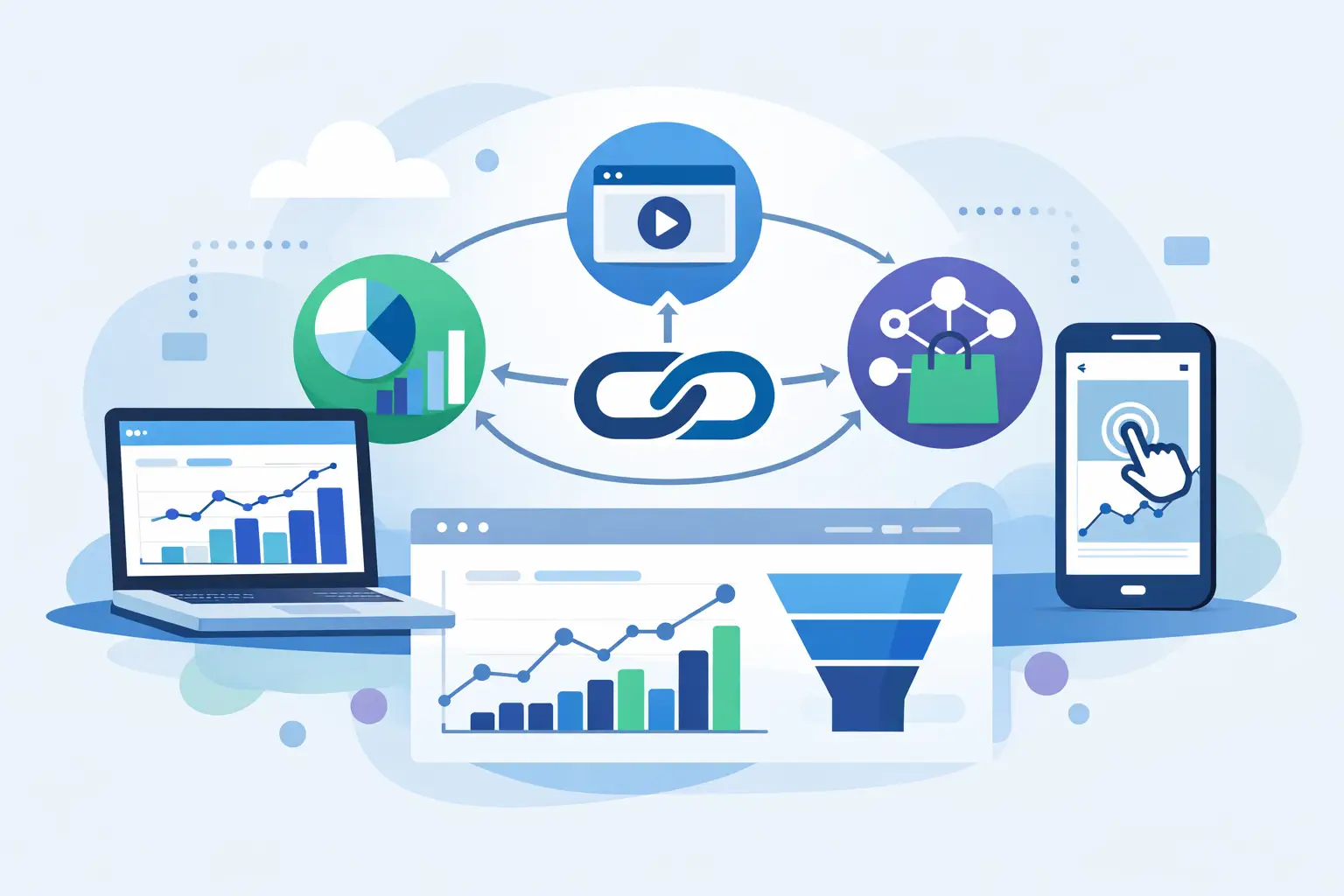
A campaign attribution link platform sits between your traffic sources and your destination pages. Instead of dropping raw URLs into ads, bios, emails, QR codes, or partner placements, you create managed links that carry structured campaign data. That data can include source, medium, campaign name, creative, audience, device context, geography, or custom parameters your team uses for reporting.
The platform then tracks what happens after the click. That starts with the obvious metrics like click volume, but the real value is in the quality of the data. You want to know which channel brought the visit, which branded link was shared, which QR code was scanned, whether mobile traffic behaved differently from desktop traffic, and whether suspicious destinations or low-trust sources should have been blocked before launch.
This is where a basic link shortener falls short. Short links are useful. Attribution links are operational.
Why attribution breaks without link control
Most attribution issues are not caused by one dramatic failure. They come from small inconsistencies that stack up. One team uses UTMs manually and misspells a campaign name. Another shares the same landing page without tags. A creator pastes a raw URL into a video description. Someone reuses an old short link with the wrong destination. Your reporting tool ends up with fragmented traffic data, duplicate campaigns, and channel performance that looks cleaner on paper than it is in reality.
A campaign attribution link platform fixes that by creating a single system for link creation and measurement. Naming conventions become repeatable. Branded domains make links recognizable. Redirect rules keep destinations current without replacing assets in the field. Analytics stay attached to the managed link instead of getting scattered across whatever version of the URL people happen to use.
For teams running campaigns across social, email, SMS, influencer placements, print, and product surfaces, that consistency matters more than almost any one dashboard metric.
The features that matter most in a campaign attribution link platform
Not every platform that mentions analytics is built for attribution work. Some are still just shorteners with a reporting tab added on top. If attribution accuracy affects budget decisions, channel mix, or client reporting, you need features that support control as much as visibility.
Link structure and campaign governance
A strong platform should let your team standardize how links are created. That means custom aliases, campaign tags, folders, labels, expiration rules, and reusable templates. The point is not cosmetic organization. It is preventing reporting chaos.
When link creation is governed, marketers can move faster without inventing a new naming system every week. Developers can generate links through an API that follows the same rules as the marketing team. Agencies can separate client campaigns cleanly. That kind of discipline saves time later, when someone asks why three channels appear to have driven the same conversion path.
Click analytics that go beyond totals
Click counts are table stakes. Useful attribution reporting breaks clicks down by source, device, geography, time, browser, operating system, and destination behavior. You also want real-time visibility, because campaign issues rarely wait for a weekly export.
There is a trade-off here. More data is not always better if the platform makes it hard to interpret. Good analytics should help you answer practical questions fast: Which creator link produced qualified traffic? Did the QR code in retail perform differently by region? Are paid social clicks skewing toward devices that bounce on your landing page? If the dashboard cannot support decisions, it is just decoration.
Branded links and custom domains
Attribution is not only about internal reporting. It also affects click-through rate and trust. Branded links typically perform better than generic ones because users recognize where they are going. They also make campaign assets look more professional across social posts, SMS sends, and partner placements.
Custom domains matter even more when links are distributed widely or reused across teams. They give you control over brand presentation while keeping campaign reporting centralized. For growing teams, that is a practical advantage, not a vanity feature.
QR codes, routing, and cross-device behavior
Modern campaigns do not live in one channel. A product package can drive a QR scan that leads to a mobile page, which later turns into a desktop purchase. A podcast ad may work through a typed short domain. An in-store sign may need geo-aware routing. A campaign attribution link platform should support those handoffs instead of pretending every journey starts and ends in a browser tab.
Routing rules are especially useful when audiences differ by language, device type, location, or availability. Rather than creating separate unmanaged URLs for every variant, you can control delivery through one managed link layer. That reduces friction and keeps attribution cleaner.
Safety and trust signals
This part gets overlooked until something goes wrong. Links are one of the easiest places for trust to break down, especially when multiple people can publish them. If your platform cannot evaluate destination risk or block malicious behavior, you are relying on manual review for something that should be automated.
A stronger approach includes trust scoring at link creation, destination scanning, and controls that stop risky URLs before they are distributed. For marketers, that protects campaign integrity. For teams handling partner links or user-generated workflows, it reduces the chance that bad traffic pollutes reporting or harms brand reputation.
API access and automation
If your team creates links at scale, manual workflows do not hold up for long. API access, webhooks, browser tools, and app integrations turn attribution from a repetitive task into an automated system. That matters for product teams embedding links in notifications, agencies managing many campaign variants, and developers who need consistent tracking across apps and landing pages.
It also matters for AI-driven workflows. As more traffic and actions are initiated by agents, not only people, link systems need to identify and measure those patterns properly. That is becoming part of attribution whether teams are ready for it or not.
Who needs a campaign attribution link platform most
The simple answer is any team spending money or effort to drive traffic. But some use cases feel the pain faster than others.
Performance marketers need it because channel reporting gets messy fast when links are inconsistent. Creators and media teams need it because one link often appears across multiple surfaces, and they need clean analytics without rebuilding assets every time a campaign changes. Startup teams need it because they cannot afford bloated tooling just to get branded links, routing, analytics, and safety controls in one place. Developers need it because attribution should fit into product workflows, not sit outside them.
If your current setup involves spreadsheets full of UTMs, disconnected short links, and half-trusted click reports, you are already in the zone where a dedicated platform earns its keep.
How to evaluate the right platform
Start with your attribution model, not the feature checklist. Ask what decisions the platform needs to support. If you need cleaner top-of-funnel reporting for paid and social, link governance and campaign analytics may be enough. If you manage retail, events, packaging, or offline media, QR and routing capabilities matter more. If you run links through many contributors, trust and blocking controls move up the list.
Then look at usability. A platform can have excellent features and still fail if your team avoids using it. Link creation should be fast. Reporting should answer common questions without custom work every time. Branding controls should be easy to apply. Automation should reduce repetitive tasks, not create another setup project.
This is also where value becomes obvious. Many teams are used to paying extra for features that should not be premium in the first place. AWSYS is part of a newer group of platforms proving that advanced analytics, branded links, QR workflows, safety scanning, and AI-aware tracking do not need enterprise-style pricing to be useful.
The real outcome is better decisions
A campaign attribution link platform is not just a reporting tool. It is a control layer for how traffic is created, shared, measured, and trusted. That changes how fast teams can launch, how confidently they can read performance, and how often they catch problems before those problems become budget waste.
If your links are still treated like disposable assets, your attribution will stay fragile. Treat them like infrastructure, and the rest of your campaign data starts making a lot more sense. Start shortening safely, measure what actually happened, and give your team cleaner signals to work from next time.